

Spring Mason Bees are perfect for pollinating fruit trees, nut trees, berries, and spring-blooming flowers. These remarkable bees are super pollinators, visiting thousands of flowers per day and offering an impressive 99% pollination rate, which means a healthier, more productive garden.
Why Spring Mason Bees?
- Active for 4-6 weeks: These bees are active during the spring, giving them a significant window to pollinate a wide variety of flowers and crops.
- Superior Pollinators: A single Mason bee can do the work of 100 Honey bees, providing invaluable assistance to your garden and local ecosystem.
- Gentle & Easy to Raise: Spring Mason Bees are known for being incredibly gentle and non-aggressive, making them safe for families, pets, and anyone new to beekeeping.
- Adapted to Cold and Wet Conditions: Mason bees are active even when it’s cooler or rainy, unlike Honey bees, ensuring your garden gets pollinated even in less-than-ideal weather.
How to Care for Your Mason Bees
Once your Mason bee cocoons arrive, it’s essential to provide the right conditions to help them thrive:
- Pollination Needs: Mason bees need pollen to survive. Be sure to select a shipping date that’s approximately two weeks before your spring plants bloom to ensure your bees have a food source when they emerge.
- Moisture and Clay: These bees are clay-using, so make sure to have a reliable source of clay-rich, moist soil nearby. If you don’t have it, be sure to order Spring Mason Bee Mud Mix.
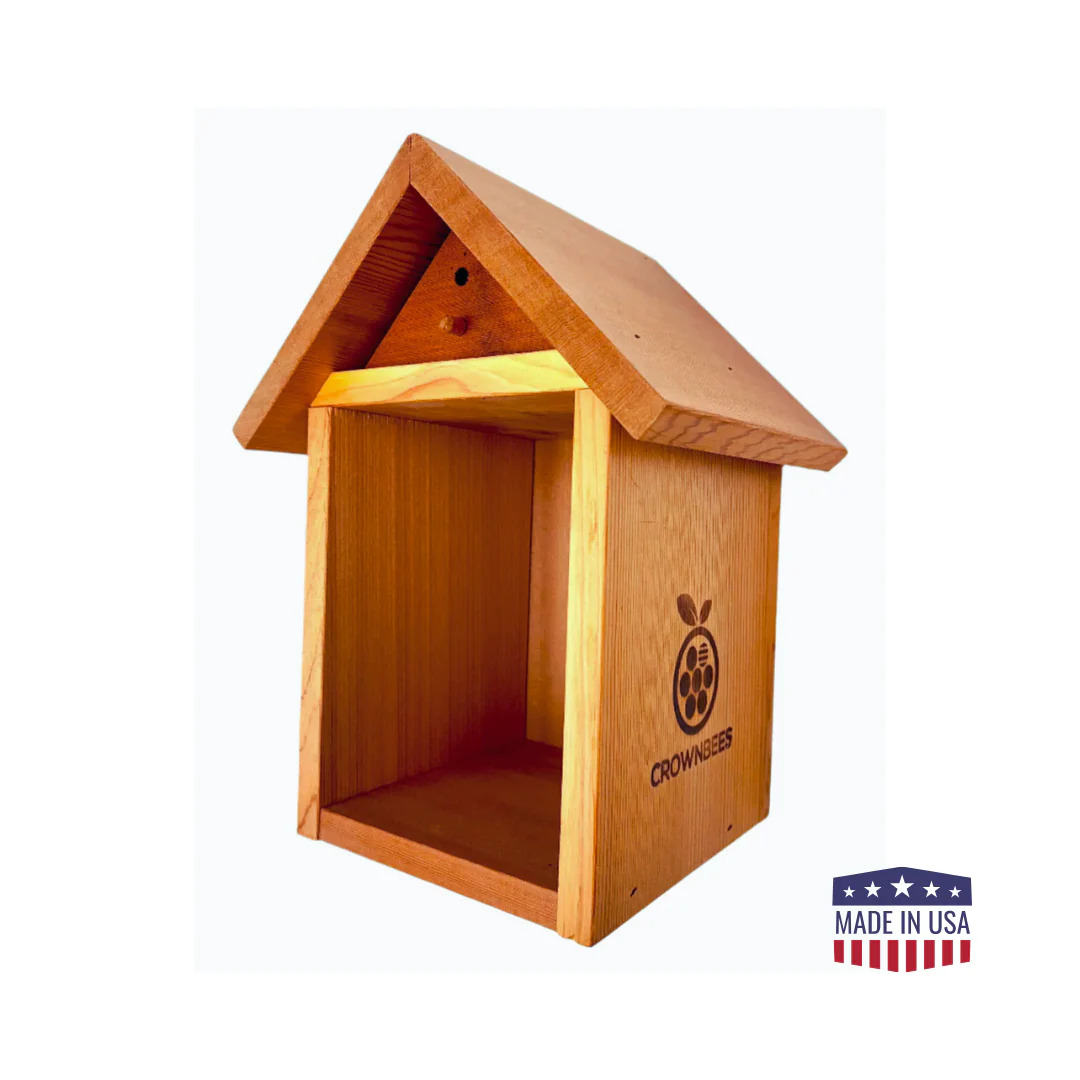
- Provide Proper Habitats: Set up 8mm nesting materials (be sure to avoid bamboo), and ensure the nesting habitat is in a safe, sunny location near flowers.
- Observe & Enjoy: Watch your bees forage and nest. They typically spend 4-6 weeks working hard to pollinate and lay eggs in the nesting materials.
| Weight | 0.2 lbs |
|---|---|
| Dimensions | 1 × 3 × 1 in |


Reviews
There are no reviews yet.